

VOLUNTEER
Volunteer with us
Start in the next ten minutes
You can help today, before anyone writes back.

About 5 minutes
Observe and assess
Then send it to one grower or gardener who has never heard of it.

About 2 minutes
Share a free webinar
Then send it to one grower or gardener who has never heard of it.
About 5 minutes
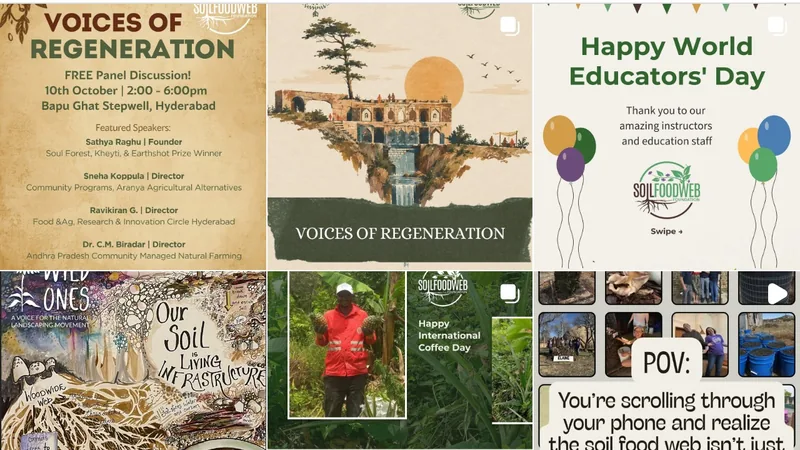
Share what we post
Follow us on Instagram, like and comment, and reshare our resources and information with your own network.
Pick the way you want to help
Every role here comes from a real need at the Foundation. Choose one, or tell us about something we haven't thought of.
-

Host a compost day
Open your farm, garden, or school plot for a hands-on build. We send the guide and help you promote it.
Time: One weekend, a few times a year
-
Share your microscope
Trained in the Foundation courses? Help local growers read their soil at meetups or over video.
Time: 2 to 4 hours a month
-
Translate the science
One course now has Spanish subtitles. Help us bring the rest into Spanish, Portuguese, Hindi, Telugu, Swahili, and more, or review translations for accuracy.
Time: Flexible, remote
-
Run a local meetup
Gather growers near you to share compost results and questions. We send a starter guide and a direct line to staff.
Time: About 5 hours a month
-
Document the work
Photograph and film workshops and field results. Your footage feeds our courses and social channels.
Time: Per event
-
Lend professional skills
Design, web, grant writing, data, legal, accounting. Small nonprofits run on generous experts.
Time: Project based
-
Collect field data
Record soil samples, plant health, and yields on trial sites so results can be published openly.
Time: Seasonal, a few hours a visit
-
Welcome new students
Alumni can answer first questions, join study calls, and help newcomers find their footing in the courses.
Time: 1 to 2 hours a week
-
Staff an event table
Represent the Foundation at farmers markets, garden shows, and conferences near you. We ship the materials.
Time: Per event
-
Write and research
Draft blog posts, fact-check claims against their sources, and summarise new soil biology papers.
Time: Flexible, remote
-
Host a fundraiser
Run a dinner, open garden day, or online campaign that funds scholarships for growers who can't pay.
Time: One-off
-
Share your own idea
Have an idea or a skill we haven't listed? Tell us in the form and we'll find a way to use it.
Time: Up to you
-
Put your farm on the map
Add your farm, garden or project to the Community Map so growers near you can find you.
Time: 15 minutes
-
Run a jar test
Shake soil samples in jars with growers near you and compare the layers. It starts good conversations about soil structure.
Time: One afternoon
-
Interview a grower
Record a 20-minute conversation with a farmer who uses biology. We turn it into a story for the website and social media.
Time: A few hours per story
-
Lend land or a space
Offer a field for a demo pile, a barn for a workshop or a room for a meetup.
Time: When you can
-
Move supplies
Drive microscopes, compost or event kits to where they are needed in your region.
Time: Now and then
-
Start a worm bin
Keep a worm bin at your school, office or apartment block and show others how it works.
Time: 10 minutes a week
-
Spread the word
Share webinars, courses and scholarships in the grower groups, newsletters and forums you are already in.
Time: 10 minutes a week
-
Host a watch party
Invite friends or your garden club to watch a webinar together and talk it through afterwards.
Time: One evening
-
Answer questions online
Answer beginner questions in community forums and comment threads, and point people to the right course or resource.
Time: An hour a week


Questions people ask first
Do I need a science background?
No. Many roles need hands, a camera, a language, or a professional skill. Microscope roles ask for some training, and the Foundation Courses cover it.
Do I have to be a student at the School?
No. Students and alumni are welcome, and so is anyone who cares about living soil.
Can I volunteer from home?
Yes. Translation, design, writing, grant work, and data roles are fully remote.
I have land. Can I host something?
Yes. Farms, market gardens, school plots, and community gardens all make good sites for a compost day. Tell us about your land in the form.
Is volunteering paid?
Volunteer roles are unpaid. Regular volunteers get a starter guide for their role and direct contact with staff.
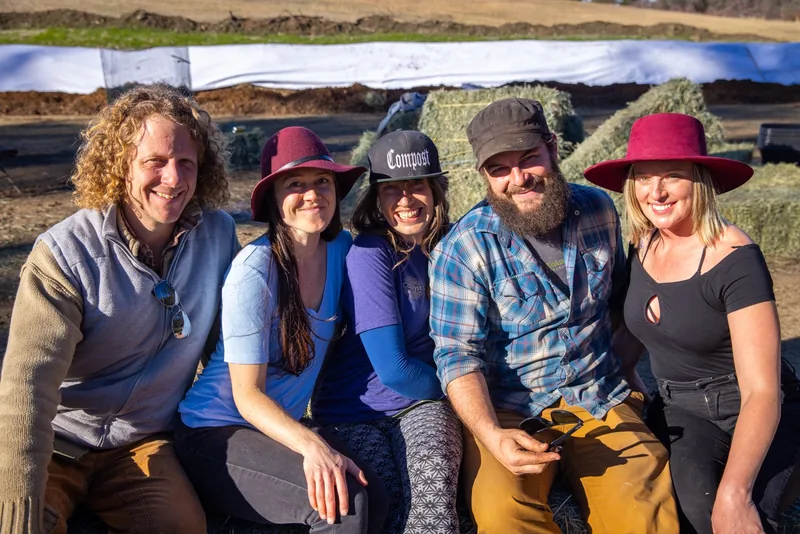
Join the volunteer network
Tell us who you are and where you are. A real person reads every message.
How it works
- You send the form. Takes about two minutes.
- We reply within a week. A volunteer coordinator reads your skills and region.
- We match you with a remote project, a local meetup, or an upcoming event.
- You start with a short welcome call and a starter guide for your role.